
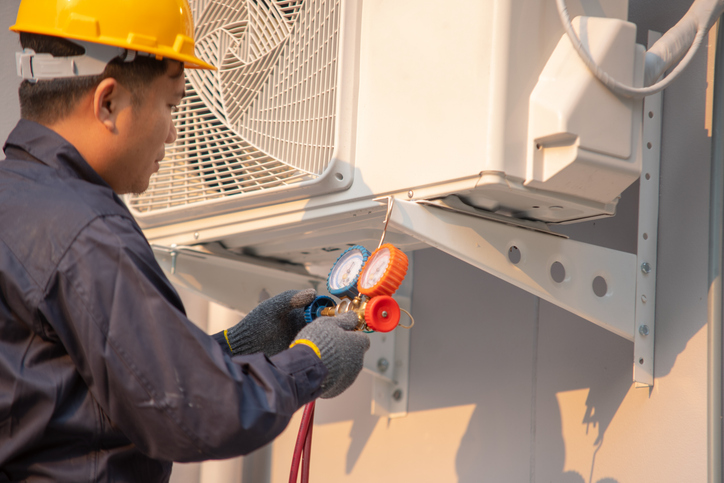
Understanding HVAC Diagnostics
In a commercial environment, the HVAC system is a complex network of mechanical, electrical, and digital components that must operate in perfect synchronization. Professional diagnostics go beyond simple troubleshooting; they involve a comprehensive evaluation of the system’s current state relative to its original engineered design. This process requires a deep understanding of fluid dynamics, thermodynamics, and integrated control logic. For a business, understanding the health of these systems is essential for maintaining operational continuity and protecting the building’s infrastructure.
System Evaluation and Data Analysis
The diagnostic process begins with a systematic gathering of operational data. Technicians monitor various performance metrics, such as refrigerant pressures, airflow velocities, and electrical amperage draws. At Air In Motion Heating + Cooling, the technical assessment of a commercial system involves comparing these real-time data points against the manufacturer’s performance curves. By analyzing how the system responds to different load requirements, a specialist can identify if a component is underperforming or if the system logic is failing to modulate correctly. This data-driven approach ensures that any identified fault is verified by physical evidence rather than generalized assumptions.
Identifying Hidden System Issues
Many HVAC problems in a commercial setting do not result in an immediate system shutdown. Instead, they manifest as “silent” failures—minor mechanical inconsistencies that allow the system to continue running while causing significant internal damage. For example, a slightly restricted expansion valve or a marginally slipping blower belt may not prevent the unit from cooling the space, but it will cause the compressor or motor to operate at a much higher temperature than designed. Without professional diagnostics, these issues remain hidden until they lead to a catastrophic and expensive mechanical failure.
Performance and Efficiency Gaps
A professional diagnostic audit identifies the gap between the system’s actual performance and its maximum potential efficiency. Common hidden issues identified during a technical evaluation include:
- Sensor Calibration Errors: Inaccurate data from outdoor air or discharge air sensors can lead to improper economizer operation.
- Refrigerant Imbalances: Small leaks or overcharged circuits that force the compressor to work under excessive head pressure.
- Electrical Pitting: Microscopic wear on contactors and relays that increases resistance and heat within the control cabinet.
- Ductwork Leaks: Unsealed joints in the supply or return plenums that lead to significant conditioned air loss before it reaches the occupied zones.
Identifying these gaps allows a business to implement targeted repairs that restore the system’s baseline efficiency and prevent the progressive wear that shortens equipment lifespan.
Benefits of Accurate Diagnostics
The primary benefit of accurate diagnostics is the transition from reactive to proactive maintenance. When a business understands the exact condition of its HVAC assets, it can plan for repairs during scheduled downtime rather than reacting to an emergency failure during peak operational hours. This level of technical oversight provides a predictable framework for facility management, ensuring that the budget is allocated toward verified mechanical needs. Furthermore, accurate diagnostics eliminate the “parts-changing” approach to repairs, where multiple components are replaced in hopes of fixing a symptom without ever addressing the root cause.
Preventative Maintenance and Cost Control
Air In Motion Heating + Cooling technicians emphasize that diagnostics are the foundation of effective cost control. By identifying a failing bearing in a motor or a weak capacitor in a start circuit, a business can avoid the secondary costs associated with a total system failure. These secondary costs often include emergency labor rates, expedited shipping for parts, and the potential loss of productivity or tenant satisfaction. A diagnostic-led maintenance strategy ensures that the system provides the maximum cooling or heating output for every dollar spent on energy, protecting the company’s bottom line.
Role of Advanced Tools and Technology
Modern commercial HVAC systems are equipped with sophisticated microprocessors and communicating sensors that provide a wealth of information. However, interpreting this data requires advanced diagnostic tools and specialized training. Digital manifolds, ultrasonic leak detectors, and thermal imaging cameras allow technicians to see “inside” the system without invasive teardowns. These tools provide a non-destructive way to evaluate the integrity of heat exchangers, the efficiency of coils, and the balance of electrical phases.
Precision Measurement and Analysis
Precision measurement is what separates a general inspection from a professional diagnostic. For instance, using a combustion analyzer on a commercial boiler or rooftop furnace allows a technician to measure the exact percentage of oxygen and carbon monoxide in the flue gas. This analysis confirms whether the burner is achieving complete combustion or if a cracked heat exchanger is allowing dangerous gases to escape. By utilizing these high-precision instruments, a diagnostic specialist provides a scientifically vetted overview of the system’s safety and mechanical stability, ensuring that the home and business infrastructure remain secure.
What Makes Us Unique
Air In Motion Heating + Cooling utilizes a specialized diagnostic methodology that prioritizes technical accuracy and system optimization. We believe that a diagnostic visit should provide the client with a clear, data-backed roadmap for their HVAC infrastructure.
Data-Driven Diagnostic Approach
Our methodology involves a comprehensive multi-point audit where we record and analyze the critical operating parameters of the entire HVAC loop. We don’t just look for what is broken; we look for what is about to fail and what is causing the system to draw excessive power. This precision allows us to provide commercial clients with a detailed performance report that justifies every recommendation with objective measurements. By focusing on the physics of the cooling and heating cycles, we ensure that the system is restored to its peak engineered state, providing maximum reliability and long-term value for the investment.
Maintaining Reliable HVAC Performance
Securing the long-term performance of a commercial HVAC system requires the expertise of professionals who can navigate the complexities of modern mechanical engineering. A diagnostic-first approach ensures that the system remains a functional and efficient asset for its entire operational life. By identifying and correcting mechanical wear early, businesses can ensure a consistent indoor environment that supports their operational goals. Maintaining these high standards of technical oversight is essential for the integrity of the mechanical systems.
Professional Assessment and System Optimization
A professional diagnostic assessment provides the baseline for an optimized facility. By verifying that every motor, compressor, and sensor is operating within its designed tolerances, you protect your business from the risks of unexpected downtime and inflated energy costs. Maintaining these standards of technical excellence is a core part of the professional care provided by Air In Motion Heating + Cooling.