
Understanding Residential Electrical Systems
A residential electrical system is a sophisticated network of conductors, overcurrent protection devices, and distribution points engineered to provide a stable flow of power to household appliances and HVAC systems. The infrastructure begins at the main service panel, where high-voltage electricity is divided into individual branch circuits. Each circuit is designed with a specific load capacity, measured in amperes, which dictates how much electrical current can safely travel through the copper or aluminum wiring. For the home to remain a safe environment, the balance between the electrical demand of modern appliances and the capacity of these circuits must be precisely maintained.
Circuits, Panels, and Load Distribution
Load distribution is the technical process of ensuring that no single circuit is overwhelmed by the simultaneous operation of multiple high-draw devices. Modern homes utilize a variety of specialized circuits, including dedicated lines for heavy mechanical equipment like furnaces and air conditioners. These dedicated circuits prevent the voltage fluctuations that can occur when a large motor, such as a compressor, cycles on. If the distribution is imbalanced or if the panel is outdated, the system may experience excessive heat buildup within the insulation of the wires. This thermal stress is the primary driver of electrical degradation and requires professional oversight to ensure the panel remains a reliable hub for the home’s energy needs.
Common Electrical Issues in Homes
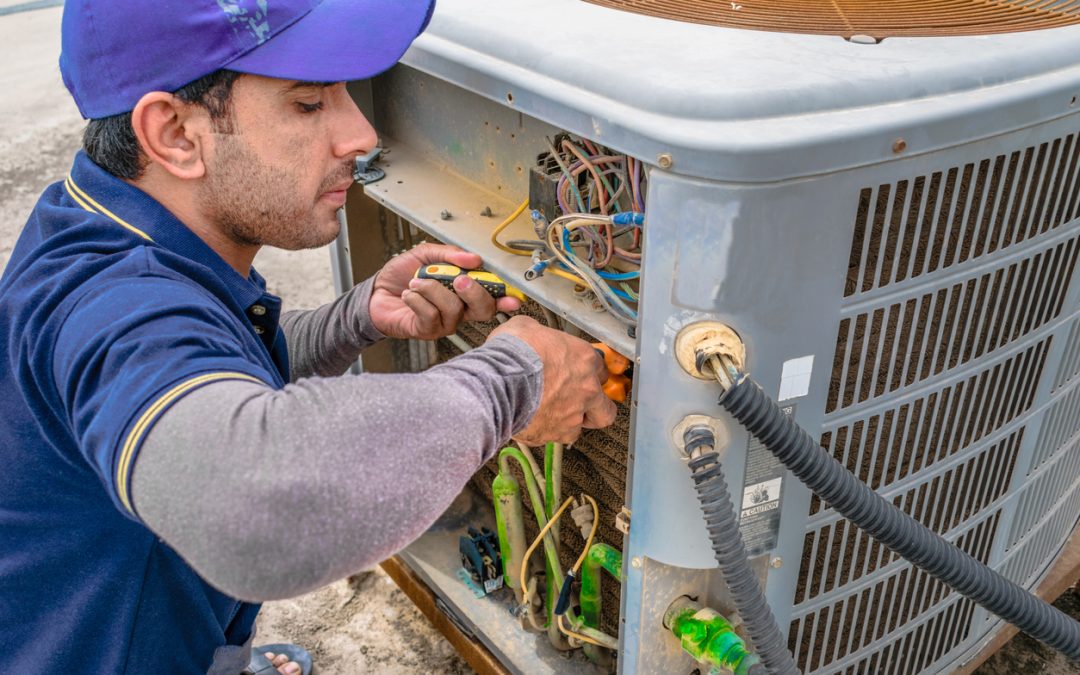
Electrical inconsistencies in a residential setting often start as minor inconveniences but can quickly escalate into significant safety hazards. At Air In Motion Heating + Cooling, technical assessments of HVAC equipment sometimes reveal that a unit’s failure is actually rooted in an underlying electrical deficiency within the home. When a circuit is overloaded or when a connection has loosened over time due to vibration or thermal expansion, the resulting resistance creates heat. This heat can melt plastic insulation and damage the sensitive control boards found in modern high-efficiency furnaces and air handlers.
Wiring Faults and Overloads
Wiring faults are frequently hidden behind drywall or inside junction boxes, making them difficult for a homeowner to detect without specialized tools. Common electrical issues that indicate a breach in system integrity include:
- Loose Terminations: Screws on outlets or breakers that have backed out, creating a high-resistance path that generates dangerous levels of heat.
- Aluminum Wiring Oxidation: In older homes, aluminum connections can oxidize and expand, leading to arc faults if not properly treated with antioxidant compounds.
- Overloaded Neutral Wires: When too many circuits share a single neutral return, the wire can overheat even if the individual breakers do not trip.
- Grounding Deficiencies: A lack of a proper path to ground can leave the home’s mechanical chassis energized, posing a severe shock hazard.
Addressing these technical faults requires a comprehensive understanding of the electrical code and the use of diagnostic instruments like multi-meters and infrared cameras.
Warning Signs of Electrical Hazards
Recognizing the early warning signs of an electrical hazard is essential for preventing fires and equipment damage. Electrical systems rarely fail without providing some form of physical or audible feedback. Homeowners should be vigilant in monitoring how their electrical system behaves during periods of high demand, such as when the HVAC system and kitchen appliances are running simultaneously. If a system is struggling to provide consistent voltage, it will provide clear indicators that the infrastructure is reaching its limit.
Air In Motion Heating + Cooling technicians emphasize that any “burning” smell near the service panel or a persistent humming sound from a circuit breaker is a critical indicator of an arc fault or an internal short. Flickering lights when a large motor starts suggest a significant voltage drop, which can shorten the lifespan of sensitive electronic components. Furthermore, if an outlet or switch plate feels warm to the touch, it indicates that the current is encountering resistance at that specific junction. These symptoms are not merely inconveniences; they are signs that the electrical insulation is being compromised by heat and requires immediate professional intervention.
Heat, Sparks, and System Failures
Sparks or “arcing” occur when electricity jumps across a gap in a circuit, reaching temperatures hot enough to ignite nearby building materials. This often happens inside the furnace cabinet or at the disconnect switch for an outdoor air conditioner if the terminals have become pitted or corroded. When a breaker trips repeatedly, it is performing its safety function by interrupting a dangerous overload. Simply resetting the breaker without identifying the cause of the trip is a dangerous practice that ignores the underlying mechanical or electrical fault. A professional diagnostic ensures that the breaker, the wire, and the connected load are all within safe operating parameters.
Risks of DIY Electrical Work
The risks associated with amateur electrical repairs are substantial and often involve long-term liabilities that are not immediately apparent. Electrical work in Ontario is governed by strict safety standards that require specific licensing and permits for most alterations. A DIY repair may temporarily restore power, but if the wire gauge is incorrect for the breaker size, or if the connections are not torqued to the manufacturer’s specifications, the system remains a fire risk. Furthermore, improper wiring can void the warranty on expensive HVAC equipment, as manufacturers require that their units be connected to a code-compliant power supply.
Safety and Compliance Concerns
Compliance with the Electrical Safety Code ensures that the home remains a secure environment and protects the property’s value. Professional electricians use specialized tools to verify that every circuit is properly grounded and that the “polarity”—the correct orientation of hot and neutral wires—is maintained. An error in polarity can leave an appliance energized even when it is turned off, creating a significant risk for anyone performing future maintenance. By relying on certified expertise, homeowners ensure that their electrical infrastructure is robust enough to handle the demands of modern technology without compromising the safety of the residence.
What Makes Us Unique
Air In Motion Heating + Cooling provides a specialized technical approach that bridges the gap between HVAC mechanical performance and electrical safety. We believe that a heating and cooling system is only as reliable as the power source that feeds it.
Certified Electrical Expertise
Our methodology involve a detailed audit of the electrical connections serving your HVAC equipment during every service visit. We use thermal imaging to identify “hot spots” in disconnects and control panels before they lead to a system failure. This data-driven approach ensures that we aren’t just fixing a motor; we are verifying that the entire electrical path is stable and safe. By focusing on the physics of electrical resistance and the structural requirements of the home’s panel, we provide a scientifically vetted solution that secures your mechanical investment. This technical precision ensures that the home’s infrastructure remains safe and compliant with all provincial standards.
Ensuring Safe Electrical System Operation
Securing the long-term stability of a home’s electrical system requires a commitment to professional oversight and proactive maintenance. Electricity is a powerful force that must be managed with technical accuracy to prevent the risks of fire and shock. By identifying the signs of electrical wear early and ensuring that all modifications are performed by licensed professionals, homeowners can protect their mechanical systems and their families. Maintaining these high standards of safety is a core part of the professional care provided by Air In Motion Heating + Cooling.
Professional Assessment and Safety Standards
A professional electrical assessment provides the baseline for a secure and functional home. By verifying that every breaker, wire, and outlet is in good repair and correctly sized for its load, you protect your home from the risks of hidden electrical faults. Maintaining these standards of technical excellence is essential for the long-term integrity of the mechanical systems.