
Understanding Rooftop HVAC Systems
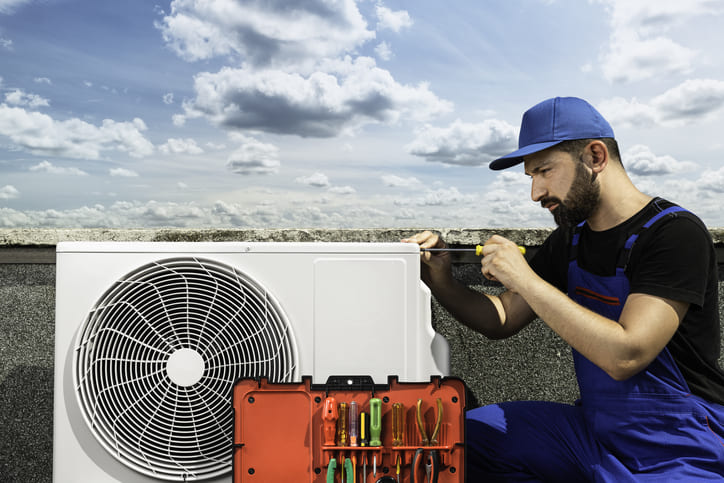
In many Canadian commercial environments, the rooftop unit (RTU) serves as the primary mechanical lung of the building. These self-contained systems are engineered to provide heating, cooling, and ventilation within a single, weather-resistant cabinet. Unlike residential split systems, where the furnace and air conditioner are separated, an RTU houses all essential components—including the compressor, evaporator coils, heat exchanger, and blower fan—in one outdoor location. This centralized design is advantageous for saving interior floor space, but it also exposes the entire mechanical assembly to the direct impact of the elements.
Components and Operational Role
The operational role of a rooftop unit is multifaceted, as it must manage large volumes of indoor air while simultaneously introducing fresh outdoor air to meet ventilation codes. The system relies on a complex network of dampers, sensors, and economizers to balance energy efficiency with air quality. Because these units are responsible for maintaining the comfort of large open spaces or multi-tenant facilities, they are subject to higher operational demands than standard residential equipment. The failure of a single component, such as a belt-driven blower motor or a high-pressure switch, can lead to an immediate disruption in the building’s climate control, affecting both occupants and temperature-sensitive equipment.
Common Maintenance Requirements
Maintaining a commercial rooftop unit requires a systematic approach to technical oversight. At Air In Motion Heating + Cooling, the evaluation of these systems involves a deep analysis of how environmental factors interact with the unit’s mechanical integrity. Because RTUs are positioned on the roof, they are frequently subjected to high winds, temperature fluctuations, and airborne debris that can quickly compromise their performance if not addressed through professional cleaning and calibration.
Inspection, Cleaning, and Calibration
A comprehensive maintenance protocol ensures that every subsystem within the RTU is operating according to its original engineered specifications. This process includes several critical technical tasks:
- Heat Exchanger and Burner Inspection: Verifying the structural integrity of the combustion chamber to ensure safe and efficient heating.
- Condenser Coil Cleaning: Removing dirt, pollen, and soot from the aluminum fins to maintain optimal heat rejection during the cooling cycle.
- Belt and Pulley Adjustment: Checking the tension and alignment of blower belts to prevent slippage and premature motor wear.
- Filter and Damper Verification: Ensuring that air filters are clean and that outdoor air dampers are modulating correctly to manage ventilation rates.
- Electrical Terminal Tightening: Inspecting contactors and relays for signs of pitting or loose connections caused by vibration.
By prioritizing these specific areas, businesses can prevent the gradual mechanical degradation that leads to expensive emergency service calls.
Risks of Neglected Maintenance
The risks associated with neglecting commercial HVAC maintenance extend far beyond simple discomfort. When a rooftop unit is left to operate without professional intervention, minor inconsistencies in the refrigerant charge or the electrical draw can quickly escalate into a catastrophic failure. For a business, a sudden loss of cooling or heating can result in significant operational downtime, potentially leading to lost revenue or damage to inventory. Furthermore, a neglected unit often has a shortened lifespan, forcing a capital-intensive replacement years earlier than would be necessary with proper care.
System Failure and Operational Downtime
Operational stability is the baseline requirement for any commercial facility. If a compressor fails due to a soiled condenser coil or a faulty start capacitor, the cost of the repair is compounded by the logistical challenge of crane rentals and building access. Air In Motion Heating + Cooling technicians often identify that “nuisance trips” of safety switches are early warning signs of systemic stress. Ignoring these signals increases the torque on the blower motor and the thermal load on the compressor, eventually leading to a complete shutdown. Regular maintenance identifies these stress points before they reach a critical threshold, ensuring the business remains functional.
Impact on Energy Efficiency and Costs
Efficiency in a commercial setting is a measurement of how effectively the HVAC system converts electricity or natural gas into conditioned air. As an RTU accumulates debris or as mechanical parts lose their calibration, the unit must run for longer durations to satisfy the thermostat. This extended run time directly translates into higher utility costs. In a large-scale commercial building, even a 10% drop in efficiency can lead to thousands of dollars in unnecessary annual expenditure.
Performance Degradation
Performance degradation is often a silent process. A unit with a slightly worn belt or a marginally low refrigerant charge may continue to provide cooling, but it does so at a much higher cost per BTU. Over time, the internal friction of moving parts increases, and the thermal transfer capability of the coils decreases. This forces the system to work harder, accelerating the wear on every internal component. Maintenance restores the unit to its peak performance level, ensuring that the business is not overpaying for its climate control while simultaneously protecting the mechanical components from the strain of inefficient operation.
What Makes Us Unique
Air In Motion Heating + Cooling provides a specialized diagnostic and maintenance methodology tailored to the unique requirements of commercial rooftop infrastructure. We believe that professional maintenance should be a data-driven process that verifies system performance against manufacturer standards.
Commercial Maintenance Expertise
Our approach involves more than just a visual check; we utilize advanced diagnostic tools to measure the actual amperage draw of motors and the precise subcooling and superheat levels of the refrigerant. This technical precision allows us to identify microscopic cracks in heat exchangers or early signs of bearing failure in the blower assembly. By focusing on the physics of the entire air distribution loop, we provide commercial clients with a scientifically vetted maintenance strategy. This approach ensures that the rooftop unit remains a reliable and efficient asset, protecting the client’s mechanical investment and operational continuity.
Ensuring Long-Term System Reliability
Securing the long-term performance of a commercial HVAC system requires a commitment to proactive technical care. A rooftop unit is a complex piece of home and business infrastructure that operates under intense environmental pressure. By identifying and correcting mechanical wear early, businesses can ensure a predictable indoor environment regardless of the external conditions. Maintaining high standards of maintenance is essential for protecting the structural and functional integrity of the mechanical systems.
Professional Assessment and System Stability
A professional assessment provides the baseline information required to manage a commercial HVAC asset effectively. By ensuring that every motor, sensor, and coil is in good repair, you protect your facility from the risks associated with unexpected system failure. Maintaining these standards of technical excellence is essential for the long-term stability of the climate control systems provided by Air In Motion Heating + Cooling.