
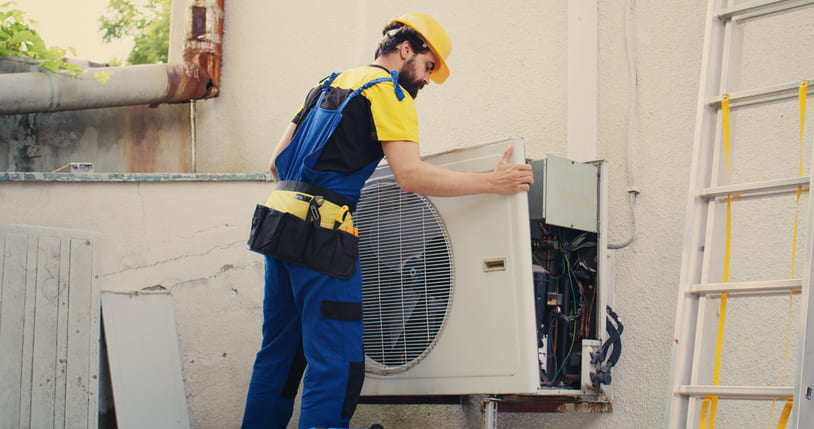
Understanding the Lifespan of a Furnace
Residential heating systems are significant investments in home infrastructure. In Oakville, homeowners must balance the immediate costs of maintenance with the long-term reality of equipment depreciation. Most modern furnaces are engineered to provide reliable service for approximately fifteen to twenty years, provided they receive consistent technical oversight. As a system approaches the second decade of its operational life, the frequency of mechanical inconsistencies typically increases, prompting a critical evaluation of whether to continue repairing the unit or to move toward a full system replacement.
Age and Performance Indicators
The age of the unit is often the primary metric used to gauge its future reliability. However, chronological age is not the only factor; the intensity of use and the historical maintenance record also play vital roles. A furnace that has been subjected to constant short-cycling or has operated with restricted airflow will likely experience a decline in performance sooner than a well-calibrated unit. Performance indicators such as increasing noise levels, a rise in monthly electrical consumption, and an inability to maintain the thermostat set point are all signs that the internal components are no longer functioning at their original engineered capacity.
Signs That Indicate a Repair Is Sufficient
Identifying when a furnace can be restored to its optimal state through a targeted repair is essential for avoiding unnecessary capital expenditures. At Air In Motion Heating + Cooling, the technical assessment of a heating system often reveals that the root cause of a malfunction is limited to a single, replaceable component. If the heat exchanger is structurally sound and the overall cabinet is free from significant corrosion, a repair is usually the most practical path forward for systems that are less than ten to twelve years old.
Minor Issues and Component Fixes
Many common furnace problems are related to the sensors and peripheral devices that manage the combustion process. These issues can often be resolved without compromising the long-term stability of the unit. Common scenarios where a repair is considered sufficient include:
- Sensor Malfunctions: Flame sensors and pressure switches are prone to carbon buildup or mechanical fatigue, but they are relatively simple to replace.
- Igniter Failure: As a wear-and-tear item, a failed igniter does not indicate the end of the furnace’s lifespan.
- Blower Motor Capacitors: A failing capacitor can prevent the fan from starting, but replacing it restores the motor to full operational capacity.
- Thermostat Calibration: Sometimes the issue lies in the communication between the wall unit and the furnace control board rather than the furnace itself.
Addressing these specific mechanical needs early prevents the degradation of more expensive parts and ensures the system remains a functional asset for the remainder of its expected life.
When Replacement Becomes the Practical Option
There is a technical threshold where the cumulative cost of repairs begins to outweigh the value of the aging equipment. When a furnace requires the replacement of a major component, such as the heat exchanger or the integrated control board, the financial logic often shifts toward a new installation. This is especially true if the unit is out of its manufacturer warranty period, as the homeowner must bear the full cost of both parts and specialized labour.
Air In Motion Heating + Cooling provides a data-driven overview of the system’s current health to help homeowners identify this threshold. When a system reaches the point of frequent breakdowns, the reliability of the home’s climate control is compromised. A new furnace provides a reset of the mechanical clock, offering a fresh manufacturer warranty and a return to the engineered efficiency levels that an aging, repaired unit can no longer achieve.
Cost, Efficiency, and System Reliability
The decision to replace is often a matter of calculating the “total cost of ownership.” An older furnace typically operates at a lower efficiency than modern high-output models. Even if the older unit is repaired, it will continue to draw more energy to provide the same amount of heat. Furthermore, the reliability of a new system eliminates the logistical strain of emergency service calls. By investing in a new system, the homeowner is securing the stability of their indoor environment for the next two decades, rather than fluctuating between temporary fixes on a unit that is approaching its mechanical limit.
Factors That Influence the Decision
Beyond the furnace itself, the characteristics of the home and the existing HVAC infrastructure must be considered. The compatibility of a new furnace with the current air conditioning coil and the ductwork design is a critical technical factor. If the ductwork is undersized for a high-efficiency blower motor, the new unit may struggle with static pressure issues, leading to premature wear.
Home Requirements and System Compatibility
A professional evaluation takes into account the thermal envelope of the property, including insulation levels and window orientations. This ensures that the replacement unit is correctly sized for the specific heat gain and loss of the residence. An incorrectly sized furnace—whether too large or too small—will fail to provide the intended comfort and will experience a shortened lifespan due to improper cycling. Ensuring that the new technology is compatible with the home’s current electrical and gas delivery systems is a non-negotiable part of a successful transition from an old unit to a modern heating solution.
What Makes Us Unique
Air In Motion Heating + Cooling utilizes a scientific methodology to support homeowners in the repair-versus-replace decision process. We believe that professional recommendations should be based on objective data and a comprehensive understanding of the physics of the heating cycle.
Data-Driven Decision Support
Our approach involve measuring the actual performance of the current system, including its combustion efficiency and electrical draw, against the standards of a new unit. This provides a clear, transparent comparison that removes the guesswork from the decision. By analyzing the structural integrity of critical components like the heat exchanger, we provide a realistic outlook on the system’s remaining life. This technical precision ensures that any investment made—whether in a complex repair or a new installation—is justified by the current state of the home’s mechanical infrastructure.
Making a Reliable Heating Investment
Securing the long-term stability of a home’s climate control requires a balanced look at both current mechanical needs and future performance goals. A furnace is a vital part of the home’s infrastructure, and its maintenance or replacement should be handled by licensed professionals who understand the complexities of modern HVAC engineering. By prioritizing system reliability and efficiency, homeowners can ensure a consistent indoor environment regardless of external conditions. Maintaining these high standards of care is essential for protecting the home and ensuring that the heating equipment from Air In Motion Heating + Cooling remains a functional asset throughout its operational life.