
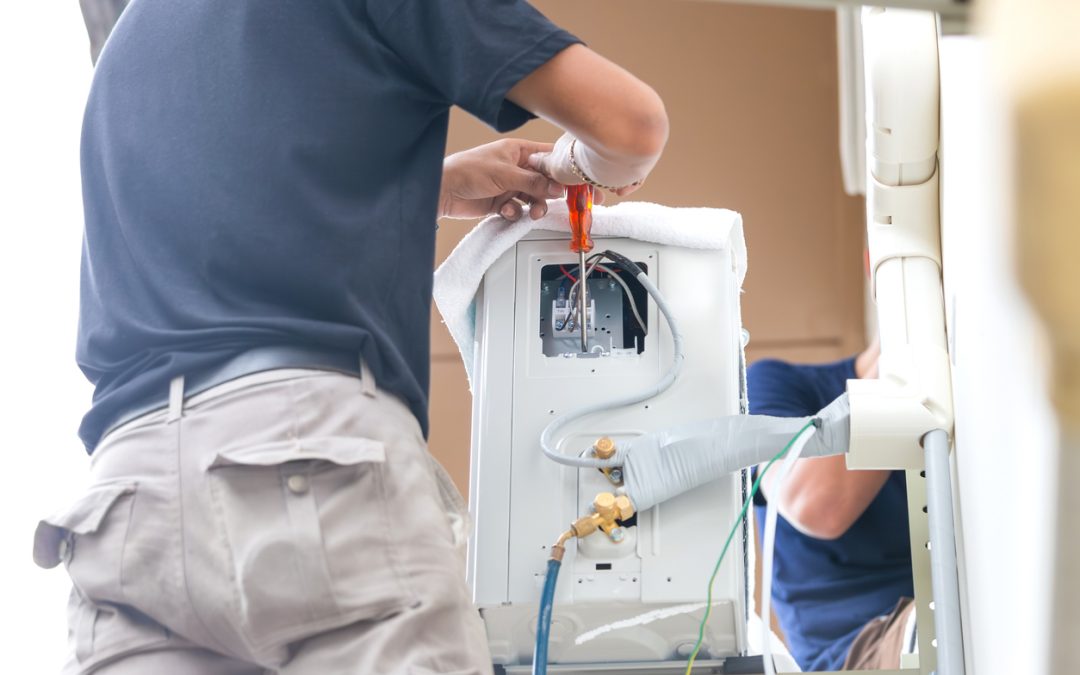
Understanding Normal vs. Abnormal Furnace Sounds
A residential heating system is a complex mechanical assembly that naturally produces a baseline of sound during its standard sequence of operations. When the thermostat calls for heat, the inducer motor begins to spin, the gas valve opens, and the igniter glows to initiate combustion. Once the heat exchanger reaches a specific temperature, the blower motor activates to circulate warm air through the ductwork. While these movements create a consistent hum or the sound of rushing air, sudden and sharp noises like banging or popping are not characteristic of a healthy system.
When Noise Indicates a Mechanical Issue
Identifying the difference between the structural sounds of a home and the mechanical sounds of a furnace is essential for maintaining home infrastructure. Abnormal noises often serve as an early warning sign that the internal timing or physical integrity of the heating unit has deviated from its engineered specifications. If a sound is loud enough to be heard across multiple rooms or if it occurs consistently at the beginning or end of a heating cycle, it indicates that a component is experiencing undue stress. Recognizing these auditory cues allows homeowners to seek a technical assessment before a minor inconsistency develops into a total system failure.
Common Causes of Banging Noises in Furnaces
The source of a banging noise can typically be categorized into two distinct areas: the combustion process or the air distribution system. At Air In Motion Heating + Cooling, technicians often find that these sounds are related to the physics of heat exchange and pressure changes within the unit. When the ignition process is not instantaneous, or when the metal components of the system undergo rapid thermal expansion, the result is often a loud, startling noise that resonates through the house.
Delayed Ignition and Duct Expansion
Delayed ignition is one of the most frequent causes of a loud bang at the start of a heating cycle. This occurs when dirt or carbon deposits accumulate on the burners, preventing the gas from igniting immediately when the valve opens. As a result, a small amount of unburned gas builds up in the combustion chamber. When the flame finally catches, the excess gas ignites all at once, creating a mini-explosion that produces a sharp banging sound. Another common cause is related to the ductwork. As the blower fan starts, it creates a sudden change in static pressure. If the sheet metal ducts are undersized or thin, the change in pressure can cause the metal to “oil-can,” snapping inward or outward and creating a loud popping or banging noise that travels through the vents.
The Impact of Internal Component Issues
Beyond the initial ignition, the mechanical health of internal parts can influence the sound profile of a furnace. Air In Motion Heating + Cooling utilizes diagnostic tools to measure the tolerances of these parts to ensure they are operating within safe limits. If the burners are misaligned or if the gas pressure is not calibrated to the manufacturer’s specifications, the combustion process will be irregular. This irregularity not only produces noise but also places a higher thermal load on the metal surfaces of the furnace.
- Burner Contamination: Dust and oxidation can block the small ports on the burner assembly, leading to uneven flame distribution and noisy ignition.
- Heat Exchanger Stress: Constant overheating can cause the metal of the heat exchanger to expand excessively, leading to structural sounds as the metal struggles to return to its original shape.
- Blower Assembly Imbalance: If the blower wheel is dirty or out of balance, it can create a rhythmic thumping or banging as it reaches its full operational speed.
- Restricted Airflow: A clogged air filter increases the static pressure within the furnace cabinet, which can exacerbate the “oil-canning” effect in the surrounding ductwork.
Burners, Heat Exchangers, and Airflow
A technical evaluation of these components is necessary to determine the severity of the noise. If the heat exchanger is expanding and contracting too violently, it may eventually lead to metal fatigue and cracks. Similarly, if the burners are not cleaned, the delayed ignition will continue to put torque on the combustion chamber. Maintaining proper airflow is a fundamental requirement for keeping these internal pressures and temperatures within the range intended by the equipment designers.
Risks of Ignoring Unusual Furnace Noises
Ignoring a banging noise can lead to significant risks for both the heating equipment and the safety of the residence. A furnace is designed to operate in a controlled and steady state; sudden physical shocks from delayed ignition or extreme metal expansion are detrimental to its longevity. Over time, these forces can loosen electrical connections, damage sensitive sensors, and cause the premature failure of expensive parts like the gas valve or the control board.
Safety and System Damage
The primary safety concern with a banging furnace is the integrity of the heat exchanger. The constant physical stress of delayed ignition can lead to cracks in the metal, which could allow combustion byproducts, including carbon monoxide, to enter the living space. Furthermore, the vibration caused by consistent banging can lead to the failure of safety switches, such as the high-limit switch or the flame roll-out sensor. Addressing these noises promptly is a proactive way to ensure that the furnace remains a safe and functional part of the home’s mechanical systems.
What Makes Us Unique
Air In Motion Heating + Cooling provides a technical diagnostic process that focuses on the root cause of mechanical noise. We believe that an accurate repair is based on measuring the actual performance of the system against its engineered standards.
Accurate Diagnostics for Noise-Related Issues
Our methodology involves using specialized tools to analyze the combustion cycle and the static pressure of the ductwork. By measuring the gas manifold pressure and inspecting the burner alignment, we can identify exactly why the ignition is delayed. This data-driven approach eliminates the guesswork often associated with noise complaints and ensures that the system is restored to its original factory standards. By focusing on the physics of the heating process, we provide a scientifically vetted solution that restores the quiet and efficient operation of the unit.
Restoring Quiet and Reliable Furnace Operation
Maintaining a reliable heating system requires the expertise of licensed professionals who understand the complexities of modern HVAC engineering. A furnace is a significant investment in home infrastructure, and its stability depends on how well it is maintained throughout its operational life. By addressing unusual sounds early, homeowners can avoid the logistical and financial strain of emergency repairs and ensure that their home remains a comfortable environment.
Professional Inspection and System Stability
A professional inspection provides a comprehensive overview of the system’s health, ensuring that every safety protocol is being met. This level of technical oversight is necessary to protect the home and ensure the longevity of the heating equipment. Maintaining these standards ensures that the heating equipment from Air In Motion Heating + Cooling remains a functional asset for the duration of its operational life.