
Checking Basic Power Supply Issues
When an air conditioning system fails to activate, the most logical starting point is the power supply. Modern HVAC equipment relies on a precise sequence of electrical signals to begin a cooling cycle. If any part of this electrical path is interrupted, the system will remain dormant to protect its internal components. Homeowners can often resolve simple power-related issues by verifying the status of the thermostat and the home’s electrical panel before seeking professional technical assistance.
Thermostat Settings and Circuit Breakers
The thermostat serves as the command centre for the cooling system. If the display is blank, the batteries may have failed, or there may be a loss of low-voltage power from the furnace transformer. Ensure the settings are switched to “cool” and that the temperature set point is at least a few degrees below the current indoor ambient temperature. If the thermostat appears functional but the unit does not engage, the next step is the circuit breaker. High-efficiency cooling units draw a significant amount of power upon startup. If a power surge has occurred, the dedicated breaker in the electrical panel may have tripped to the “off” position. Resetting the breaker once may restore power, but a recurring trip indicates a deeper electrical fault that requires a specialized assessment.
Inspecting Air Filters and Airflow Restrictions
Airflow is the lifeblood of a functional cooling system. At Air In Motion Heating + Cooling, technicians frequently find that a system’s refusal to start is a direct result of safety switches being triggered by poor airflow. Many modern units are equipped with pressure sensors that prevent the compressor from engaging if they detect that air cannot move freely through the evaporator coils. This is a protective measure designed to prevent the coils from freezing or the compressor from overheating due to a lack of thermal exchange.
How Blockages Impact System Startup
A heavily soiled air filter is the most common cause of airflow restriction. When a filter is clogged with dust, pet hair, or debris, the blower motor must work significantly harder to pull air into the return vents.
- The system may shut down entirely if the resistance becomes too great.
- Closed supply registers throughout the house can cause internal static pressure to rise beyond safe operating limits.
- Furniture obstructing return air grilles acts as a physical barrier to essential air intake.
- Regularly inspecting and replacing the air filter is a fundamental part of maintaining the baseline conditions required for the cooling cycle to initiate.
Evaluating Outdoor Unit Conditions
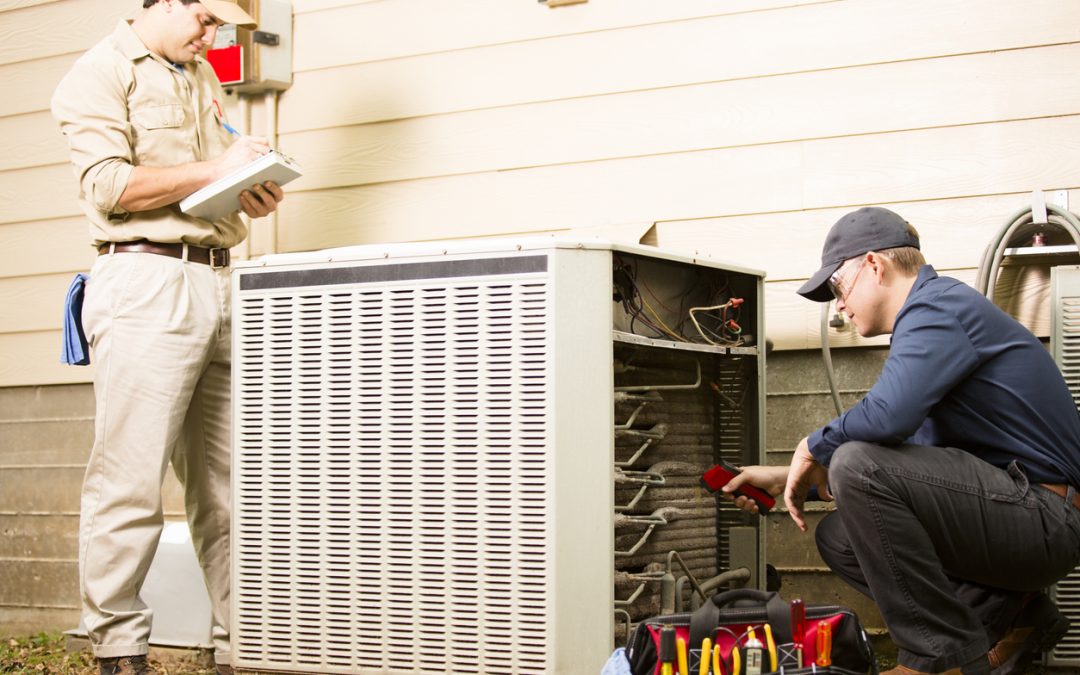
The outdoor portion of the air conditioner, known as the condenser, is exposed to the elements year-round. While these units are designed for durability, they require a clear area around them to dissipate heat effectively. If the outdoor unit is surrounded by high grass, weeds, or fallen debris, the heat exchange process is severely hindered. Furthermore, the condenser has its own electrical disconnect switch, usually located in a small box mounted on the exterior wall near the unit. If this switch has been bumped or turned off, the indoor blower may run while the outdoor compressor remains silent.
Debris, Disconnect Switches, and Wiring
Air In Motion Heating + Cooling emphasizes the importance of maintaining a clean perimeter around the outdoor equipment to ensure mechanical reliability. Beyond physical debris, homeowners should visually inspect the conduit and wiring leading from the house to the unit for any obvious signs of damage, such as fraying or indications of pest interference. However, do not attempt to open the electrical cabinets or handle exposed wires. If the disconnect switch is “on” and the area is clear of debris, but the outdoor fan and compressor still refuse to engage, the problem likely lies within the internal capacitors or the contactor, which are components that handle the high-voltage startup load.
Understanding When the Issue Requires Professional Attention
Basic troubleshooting has its limits, especially when dealing with the complex interplay of refrigerants and high-voltage electricity. If the power is on, the filters are clean, and the thermostat is set correctly, but the system remains unresponsive, the fault is likely internal. Continued attempts to force the system to start can lead to more extensive damage. It is important to recognize when the situation moves beyond simple adjustments and requires the tools and knowledge of a licensed technician.
Limits of Basic Troubleshooting
Homeowners should avoid attempting to bypass safety switches or manually engage the contactors within the unit. Air conditioners contain pressurized refrigerants and electrical components that can store a charge even when the power is disconnected. Issues such as a failed startup capacitor, a malfunctioning control board, or a refrigerant leak are technical problems that cannot be resolved through surface-level troubleshooting. Once basic checks are exhausted, the most responsible action is to power down the system at the breaker to prevent further strain until a full diagnostic can be performed.
What Makes Us Unique
Air In Motion Heating + Cooling utilizes a technical approach to HVAC diagnostics that prioritizes the identification of the root cause rather than just treating the visible symptoms. We believe that an accurate assessment is the only way to restore a system to its engineered performance levels while ensuring long-term safety.
Accurate Diagnostics Beyond Surface-Level Checks
Our diagnostic process involves a comprehensive analysis of the system’s electrical and mechanical integrity. We use specialized tools to measure refrigerant pressures, verify the health of the compressor, and test the communication between the indoor and outdoor control boards. This scientific method ensures that every recommendation we provide is based on objective data. By focusing on the physics of the cooling cycle, we are able to identify subtle inconsistencies that standard troubleshooting might overlook. This ensures that the restoration of your cooling system is both effective and durable.
Taking the Next Step Safely
Restoring a non-responsive air conditioner involves a systematic verification of every component in the cooling loop. While basic checks can resolve simple oversights, professional intervention ensures that the more complex aspects of the system, such as refrigerant levels and electrical safety, are handled according to industry standards. This level of technical oversight is essential for maintaining the operational life of your HVAC equipment and ensuring consistent indoor comfort from Air In Motion Heating + Cooling.