
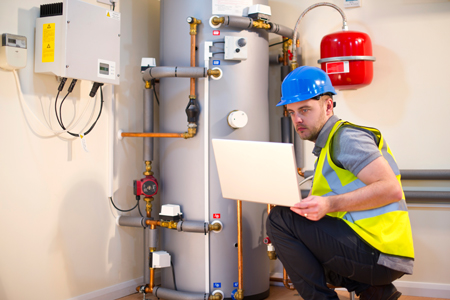
Understanding Furnace Installation Requirements
A residential furnace is a significant mechanical investment that serves as the core of a home’s climate control infrastructure. In Milton, the installation of a new heating system requires a comprehensive understanding of both the building’s thermal envelope and the specific engineered requirements of modern HVAC equipment. Unlike a plug-in appliance, a furnace must be integrated into the home’s existing gas, electrical, and ventilation networks. This integration requires precise calculations to ensure that the system operates safely and provides consistent heat distribution throughout the living space.
System Sizing and Home Compatibility
The most critical technical requirement for a successful installation is accurate system sizing. A furnace that is too small for a residence will struggle to maintain the thermostat set point, leading to constant operation and premature mechanical wear. Conversely, an oversized unit will engage in a pattern known as “short-cycling,” where it turns on and off rapidly without ever reaching a steady state of efficiency. This cycle causes excessive stress on the heat exchanger and the blower motor. Professionals perform a detailed load calculation that accounts for the total square footage, the quality of the insulation, and the number of windows to determine the exact British Thermal Units (BTU) required for the property.
Key Steps in the Installation Process
The transition from an old heating unit to a new system involves a series of technical stages that prioritize safety and operational integrity. At Air In Motion Heating + Cooling, the installation process begins with the careful decommissioning of the existing equipment, ensuring that all fuel lines and electrical connections are safely isolated. This stage also includes a thorough inspection of the installation site to ensure the floor is level and that there is adequate clearance for airflow and future maintenance access.
Removal, Setup, and Calibration
Once the old unit is removed, the new furnace is positioned and connected to the home’s infrastructure. This setup phase involves several high-precision tasks:
- Gas Line Connection: Verifying that the gas pipe is correctly sized and that all joints are sealed with approved compounds.
- Electrical Integration: Connecting the high-voltage power supply and the low-voltage thermostat wiring according to provincial codes.
- Plenum Matching: Customizing the transition between the furnace cabinet and the existing ductwork to minimize air leakage.
- Condensate Management: Installing drainage lines for high-efficiency units that produce moisture during the combustion process.
- Exhaust Venting: Ensuring the flue pipes are sloped correctly and sealed to prevent the backdrafting of combustion gases.
Following the physical setup, the system undergoes a calibration phase where gas pressures and blower speeds are adjusted to match the specific layout of the home’s ductwork.
Common Challenges During Installation
Every home presents a unique set of challenges that can impact the installation timeline and the technical approach required. In many older residences, the existing ductwork may have been designed for lower-velocity air movement, which can create static pressure issues when paired with a modern, high-efficiency variable-speed blower. If these pressure imbalances are not addressed, the new furnace will be noisier and less efficient than its engineered ratings suggest.
Air In Motion Heating + Cooling utilizes diagnostic tools to measure static pressure and verify that the ventilation system can handle the output of the new equipment. If the ductwork is found to be restrictive, modifications such as enlarged return air drops or additional supply runs may be necessary to protect the longevity of the new blower motor.
Ductwork, Venting, and Electrical Adjustments
Other challenges often arise from evolving safety codes and technological advancements. Modern high-efficiency furnaces utilize PVC venting rather than the traditional metal flues used by older mid-efficiency models. This requires the installation of new vent runs through the exterior wall of the home. Additionally, the electrical requirements for a modern furnace control board may necessitate an upgrade to the dedicated circuit or the replacement of an outdated thermostat that is incompatible with the communication protocols of the new heating unit. Addressing these challenges during the installation phase ensures that the system is fully compliant with current TSSA (Technical Standards and Safety Authority) regulations.
Importance of Proper System Configuration
The configuration of a furnace during installation dictates its performance for the next two decades. Proper configuration involves setting the heat rise—the difference in temperature between the air entering the furnace and the air leaving it—within the manufacturer’s specified range. If the heat rise is too high, the heat exchanger will overheat and eventually crack. If it is too low, the system may produce “cold drafts” and fail to dehumidify the air effectively.
Performance and Longevity Considerations
A well-configured system is a stable system. When the gas valve is clocked correctly and the fan speeds are optimized, the furnace operates with minimal vibration and mechanical noise. This precision reduces the torque on internal bearings and ensures that the combustion process is as clean as possible, which prevents carbon buildup on the burners and flame sensors. By prioritizing these performance considerations at the outset, homeowners can secure the functional life of their heating equipment and ensure a predictable indoor environment regardless of the outdoor conditions.
What Makes Us Unique
Air In Motion Heating + Cooling provides a technical installation methodology that focuses on the physics of the entire HVAC loop. We believe that a furnace should be installed as a precision instrument, with every setting verified by objective data and professional diagnostic tools.
Precision Installation and System Optimization
Our approach involves a comprehensive post-installation performance audit where we measure airflow velocities, gas manifold pressures, and electrical draws. This data-driven process ensures that the furnace is not just “running,” but is operating at its peak engineered efficiency. By focusing on the scientific requirements of the air distribution system and the combustion cycle, we provide a solution that maximizes the durability of the equipment. This technical precision ensures that the home’s mechanical infrastructure remains a reliable and efficient asset throughout its operational life.
Ensuring Reliable Heating Performance
The long-term reliability of a residential heating system is established on the day of its installation. While the quality of the furnace itself is important, the skill and technical accuracy of the installation team determine the system’s actual output and safety. Homeowners must rely on licensed professionals who understand the complexities of modern HVAC engineering and who are committed to following the strict regulatory codes governing gas-fired appliances.
Professional Assessment and System Stability
A professional assessment of your home’s heating requirements provides the foundation for a safe and stable environment. By ensuring that every vent, pipe, and wire is installed according to the highest industry standards, you protect your home from the risks associated with improper setup and mechanical failure. Maintaining these standards of technical excellence is essential for the long-term integrity of the heating systems provided by Air In Motion Heating + Cooling.