
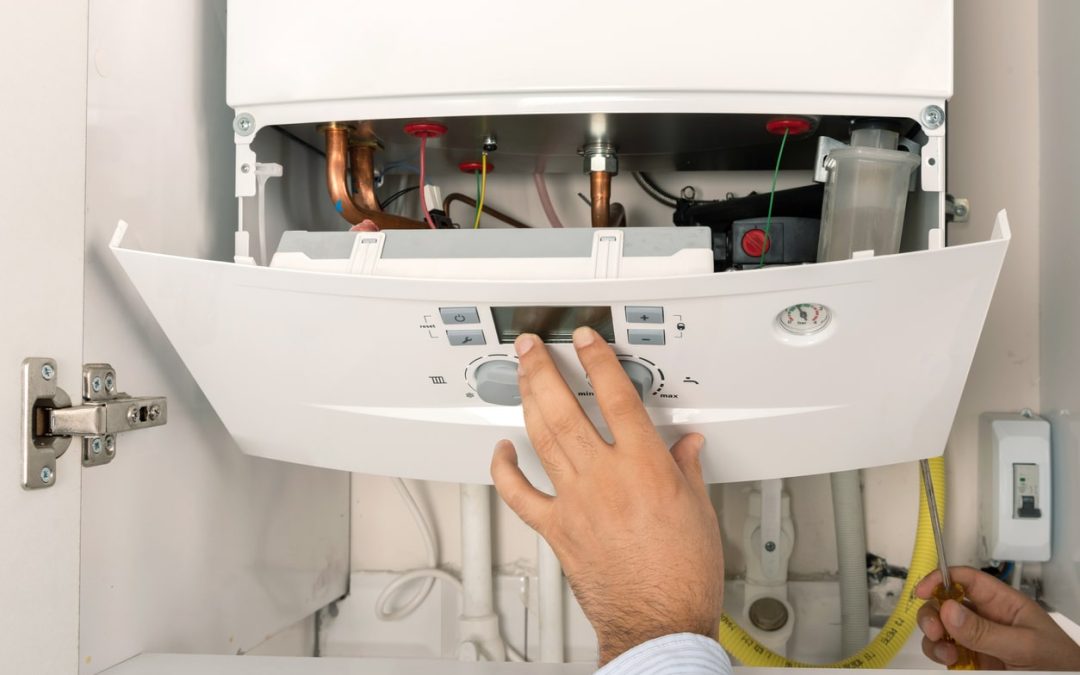
Diagnosing Common Water Heater Issues
A residential hot water tank is a pressurized vessel that relies on a precise balance of thermal energy, fluid dynamics, and electrical or gas-fired controls. When a system fails to provide adequate heat or begins to exhibit mechanical inconsistencies, a professional diagnostic process is required to identify the root cause. Unlike a simple visual inspection, a technical diagnosis involves measuring the actual performance of the unit against its original engineered specifications. Technicians must evaluate the integrity of the tank, the functionality of the thermostat, and the efficiency of the heating source to determine the most effective course of repair.
Inspection and Fault Identification
The repair process begins with a systematic evaluation of the unit’s safety and operational components. At Air In Motion Heating + Cooling, technicians prioritize the inspection of the temperature and pressure (T&P) relief valve, which is the primary safety mechanism preventing the tank from over-pressurizing. This is followed by a check of the dip tube, which directs cold water to the bottom of the tank, and the sacrificial anode rod, which prevents internal corrosion. By isolating these individual parts, a technician can determine if the issue is a localized component failure or a sign of systemic structural fatigue. Identifying these faults early prevents the unnecessary replacement of a functional tank while ensuring that the repair is durable.
Repairing Heating Elements and Components
The mechanism used to heat the water is the most frequent point of mechanical failure in a residential system. In electric water heaters, this involves the upper and lower heating elements and their corresponding thermostats. In gas-fired units, the focus is on the pilot assembly, the thermocouple, and the gas control valve. These components are subjected to constant thermal stress and electrical load, which eventually leads to the degradation of the metal or the failure of the internal sensors.
Electrical and Mechanical Fixes
When a heating element fails, it often shorts out due to mineral accumulation or simple material fatigue. A professional repair involves testing the continuity of the elements and verifying that the thermostat is sending the correct voltage. For gas units, the following repairs are common:
- Thermocouple Replacement: This safety sensor detects the pilot flame; if it fails, the gas valve will remain closed to prevent a leak.
- Pilot Assembly Cleaning: Carbon soot can block the small orifice of the pilot, leading to inconsistent ignition.
- Gas Valve Calibration: Ensuring the manifold pressure is correct is essential for clean combustion and efficient heat transfer.
- Thermostat Adjustment: Replacing or recalibrating a faulty thermostat restores the system’s ability to maintain a stable water temperature.
Air In Motion Heating + Cooling utilizes high-grade replacement parts that match the manufacturer’s original ratings, ensuring that the repaired unit operates with the same reliability as a new system.
Addressing Leaks and Pressure Issues
Leaking is a critical issue that requires an immediate technical assessment to determine if the tank is salvageable. While a breach in the main steel vessel cannot be repaired due to safety regulations, many leaks originate from the various connection points, valves, or fittings. A professional technician will trace the source of the moisture to determine if it is a result of a failed gasket, a loose threaded connection, or a malfunctioning T&P valve that is venting excess pressure.
Tank Integrity and Valve Repairs
If the leak is located at a pipe fitting or a heating element gasket, the repair involves draining the tank to a level below the breach and replacing the seal. Pressure issues are often related to a failing thermal expansion tank or a high incoming water pressure from the municipal supply. A technician will measure the house’s water pressure and, if necessary, install a pressure-reducing valve (PRV) to protect the water heater from being subjected to forces beyond its design limits. Ensuring that the tank remains airtight and pressurized is the only way to prevent the progressive corrosion that leads to a catastrophic vessel failure.
Ensuring System Safety and Compliance
The final stage of any professional repair is a comprehensive safety and compliance check. Because water heaters involve high-voltage electricity or flammable gas, the margin for error is zero. Technicians must verify that the venting system for a gas unit is clear of obstructions and sloped correctly to prevent the backdrafting of carbon monoxide into the residence. For electric units, the wiring must be inspected for signs of overheating or loose connections that could lead to an electrical arc.
Testing and Calibration
Once the physical repairs are complete, the system undergoes a testing phase to confirm its operational stability. This includes verifying the “recovery rate”—the speed at which the unit can reheat a full tank of water. The technician will also check for gas leaks using electronic detectors and confirm that the thermostat cycles off exactly at the set temperature. This calibration ensures that the system is not only functional but is also operating at its peak efficiency. Following these strict technical protocols is a non-negotiable requirement for maintaining a safe and dependable home environment.
What Makes Us Unique
Air In Motion Heating + Cooling provides a technical repair methodology that focuses on the physics of the entire water heating loop. We believe that a repair should be a permanent solution based on accurate data and a comprehensive understanding of the unit’s mechanical history.
Technical Repair Methodology
Our approach involves a multi-point diagnostic check that evaluates the water chemistry, the electrical load, and the structural integrity of the tank. By using professional-grade tools to measure thermal output and pressure levels, we eliminate the guesswork often associated with DIY fixes. This data-driven process ensures that every repair is justified by the current state of the equipment. Our focus on technical precision ensures that the water heater is restored to its original factory standards, providing the homeowner with a reliable and scientifically vetted solution for their hot water needs.
Restoring Reliable Hot Water Supply
Securing the long-term performance of a residential water heater requires the expertise of licensed professionals who understand the complexities of pressurized systems. A hot water tank is a significant mechanical asset, and its reliability depends on how well it is cared for during its ten to twelve-year lifespan. By prioritizing professional diagnostics and using high-quality components, homeowners can manage their mechanical systems with confidence. Maintaining these standards of care is essential for ensuring the stability and integrity of the equipment provided by Air In Motion Heating + Cooling.