
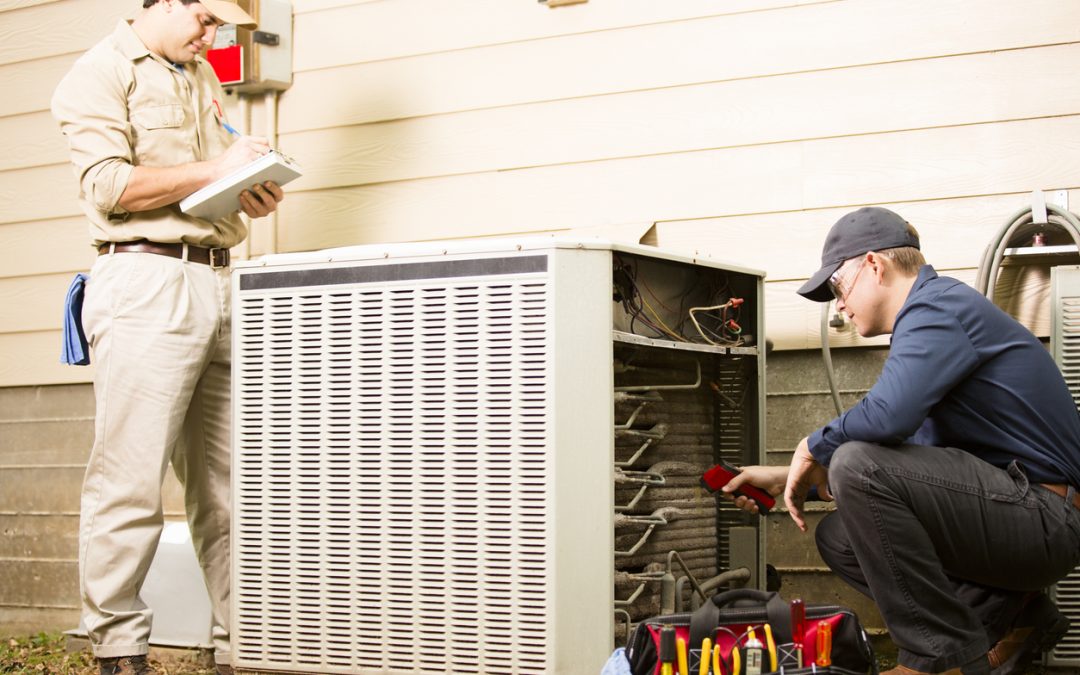
How AC Coils Function in the Cooling Process
An air conditioning system operates on the principles of thermodynamics, specifically the transfer of heat from the indoors to the outdoor environment. This process is facilitated by two primary components: the evaporator coil and the condenser coil. The indoor evaporator coil contains cold refrigerant that absorbs heat from the air inside the residence. As the blower fan moves warm air across these coils, the heat is transferred into the refrigerant, which then travels to the outdoor unit.
Heat Transfer and Thermal Exchange
The efficiency of this heat transfer depends entirely on the surface area of the copper tubing and the aluminum fins that make up the coil. These components are engineered to maximize contact with the passing air, allowing for a rapid exchange of thermal energy. For the system to maintain a stable indoor temperature, the refrigerant must be able to evaporate and condense at specific pressures and temperatures. Any physical barrier that sits between the air and the metal surface of the coil will immediately disrupt this engineered balance, forcing the system to work harder to achieve the same cooling effect.
How Dirt and Debris Affect Coil Performance
Over months of operation, the continuous movement of air through the HVAC system leads to the accumulation of various particulates. At Air In Motion Heating + Cooling, the technical assessment of cooling equipment often reveals that even a microscopic layer of dust can significantly hinder the heat exchange process. Outdoor condenser coils are particularly susceptible to environmental debris such as grass clippings, pollen, and dust, while indoor coils often accumulate household dander and lint that bypasses the filtration system.
Reduced Heat Absorption and System Efficiency
When a layer of dirt coats the fins of an AC coil, it acts as a thermal insulator. Instead of the heat moving freely from the air into the refrigerant, it must first penetrate the layer of grime. This resistance reduces the total heat absorption capacity of the evaporator coil. Consequently, the air returning to the living space is not as cool as it should be, and the refrigerant returning to the compressor is warmer than intended. This inefficiency means the system is no longer operating within its designed parameters, leading to a measurable decline in performance that affects every other mechanical component in the unit.
Increased Energy Consumption Due to Coil Contamination
The most immediate impact of a dirty AC coil is a noticeable increase in electrical consumption. Because the system cannot remove heat efficiently, the thermostat remains unsatisfied for longer periods. This leads to extended run times where the compressor and blower motor must operate continuously to reach the desired temperature set point. In many cases, a contaminated coil can cause a system to run twice as long as a clean unit would under the exact same environmental conditions.
Air In Motion Heating + Cooling utilizes diagnostic tools to measure the electrical draw of systems struggling with restricted heat exchange. When the compressor is forced to pump refrigerant through a system that cannot dissipate heat, the internal pressures rise significantly. High head pressure requires the compressor to draw more amperage to overcome the resistance, which directly correlates to a higher monthly hydro bill. This increased power consumption is a result of the mechanical strain required to compensate for the insulating effect of the dirt on the coils.
Compressor Strain and Extended Run Times
Extended run times are not merely a matter of energy use; they also represent a period of high torque and heat for the compressor.
- The compressor relies on returning cool refrigerant to keep internal windings from overheating.
- Dirty coils cause the compressor to run hotter than its engineered design.
- Thermal stress leads to the breakdown of internal lubricants and motor winding failure.
- Continuous strain accelerates the aging of the most expensive component in the cooling system.
Secondary Effects on System Components
The impact of a dirty coil extends beyond the compressor to other vital parts of the HVAC assembly. The blower motor, which is responsible for moving air through the indoor ductwork, must also work against increased static pressure if the evaporator coil is clogged with debris. This resistance causes the motor to run at higher temperatures, which can lead to the failure of the run capacitor or the motor bearings.
Wear on Motors and Internal Parts
Furthermore, a dirty indoor coil can lead to issues with moisture management. As the system struggles to reach the proper temperature, the evaporator coil may drop below the freezing point, causing the accumulated moisture to turn into ice. This ice further blocks airflow and can lead to water damage within the furnace cabinet when it eventually melts. The constant starting and stopping associated with a struggling system also places unnecessary wear on electrical contactors and relays. Maintaining a clean thermal exchange surface is essential for preserving the mechanical integrity of the entire cooling loop.
What Makes Us Unique
Air In Motion Heating + Cooling provides a technical approach to coil maintenance that focuses on restoring the original engineered airflow and heat exchange rates. We believe that professional cleaning should be a data-driven process that verifies the performance of the system before and after the service is performed.
Precision Cleaning and Performance Optimization
Our methodology involves the use of specialized cleaning agents and tools designed to reach deep into the fins of the coil without damaging the delicate aluminum structure. Rather than a surface-level rinse, a professional cleaning ensures that every square inch of the heat exchange surface is clear of obstructions. By measuring the temperature drop across the coil and the amperage draw of the motors, we can confirm that the system has been restored to its optimal efficiency. This precision ensures that the unit provides the maximum cooling output with the minimum electrical consumption, protecting both the homeowner’s budget and the equipment’s longevity.
Maintaining System Efficiency Over Time
The long-term stability of an air conditioning system is dependent on the cleanliness of its heat exchange surfaces. Regular technical oversight ensures that dirt and debris do not have the opportunity to accumulate to the point of causing mechanical failure or inflated energy costs. A clean system is a reliable system, capable of providing consistent indoor comfort regardless of the outdoor conditions. By prioritizing the health of the AC coils, homeowners can secure the functional life of their investment and ensure that their home infrastructure remains efficient. Maintaining this level of operational excellence is a core part of the professional care provided by Air In Motion Heating + Cooling.